Color E-Paper Tablets Trade Legibility for Utility
Testing three front-lit color digital notebooks shows battery drains and lower monochrome contrast compromise basic writing tasks.

For three years, consumer demand has pushed electronic paper displays away from dedicated monochrome readers toward full-color digital notebooks. In our two-week evaluation of three current-generation color e-paper devices—measuring text legibility under varied lighting, stylus input response, and runtime during sustained note-taking—the technology reveals a persistent engineering dilemma. Adding color to electrophoretic displays widens document support for spreadsheets, markups, and academic charts, but it weakens the primary virtue of digital paper: the effortless readability of high-contrast black ink on a bright background.
The Contrast Penalty on Monochrome Reading
Standard monochrome e-paper relies on microscopic capsules containing positively charged white particles and negatively charged black particles suspended in clear fluid. Current monochrome panels achieve ambient light reflectance rates near 40 percent, producing a pale background that closely approximates standard uncoated book stock under natural illumination. Color implementations, whether utilizing layered color filters or multi-pigment micro-capsules, place an optical barrier between the display capsules and the reader's eyes.
In side-by-side measurements against standard monochrome reference tablets under 450-lux ambient office lighting, color screens appeared visibly darker, exhibiting a dull newsprint-gray cast. To match the readability of an unlit monochrome screen, all three color units required front-lighting engaged at 35 to 45 percent intensity. While integrated front lights resolve legibility deficits in dimmer rooms, relying on continuous active illumination negates the chief optical benefit of ambient-reflective e-paper: zero glare and minimal eye fatigue during multi-hour sessions.
"Color filter arrays introduce an unavoidable transmission loss, requiring either elevated ambient illuminance or continuous supplemental front-lighting to match the perceived background brightness of standard monochrome electrophoretic displays."
Stylus Latency and Refresh Artifacts
Writing responsiveness has improved significantly through predictive tracking software, with handwriting latency across all three evaluated units hovering between 18 and 24 milliseconds in their native note applications. That metric is low enough to give the immediate sensation of ink deposition on physical paper. However, the operational compromise shifts immediately to page refresh cycles and image retention.
Electrophoretic particles require electrical impulses to physically migrate through fluid to change color states. Shifting multiple color pigments requires longer electrical drive cycles or compromises in waveform precision. In rapid document navigation, every color device exhibited ghosting—faint, residual shadows of prior pages lingering beneath fresh text. Switching to aggressive refresh modes eliminated after-images but produced noticeable screen flashes and soft, jagged edges around text glyphs. For continuous freehand journaling, the experience remains serviceable; for technical drafting requiring fine lines and sharp contrast, precision degrades quickly.
Battery Life Under Workweek Demands
The most dramatic departure from traditional e-paper expectations lies in energy consumption. Where conventional monochrome notebooks deliver three to four weeks of intermittent sketching on a single charge, color notebooks operating front-lit displays and more demanding background processors face steep runtime reductions.
Across an eight-hour daily simulated testing protocol comprising four hours of active note-taking, two hours of document annotation, and two hours of standby with network synchronization active, the evaluated color tablets required recharging every three to four business days. When Wi-Fi synchronization and Bluetooth peripheral connections remained active continuously, battery depletion accelerated further, demanding a top-up before the close of the third day.
For professionals whose daily workflow centers on reviewing annotated PDFs, architectural diagrams, color-coded medical journals, or quarterly reporting decks, color e-paper represents a tangible functional step forward from monochrome alternatives. The ability to distinguish red revision marks from black type or trace complex trendlines on a non-glare surface solves a real utility bottleneck.
Yet for writers, students, and analysts whose primary diet consists of long-form reading, drafting prose, and linear note-taking, the trade-off remains unbalanced. Lower background reflectance, mandatory front-light usage, and diminished battery longevity make these units inferior replacements for dedicated monochrome digital paper. Until optical materials science delivers color pigmentation without dimming the baseline page, color e-paper remains a specialized tool rather than a universal upgrade.
More from Reviews

Top 10 ChatGPT Ad Agencies in the USA
Ten American firms selling visibility inside ChatGPT and the other answer engines — what each one actually does, who it fits, and how to tell a real practice from a rebranded SEO retainer.
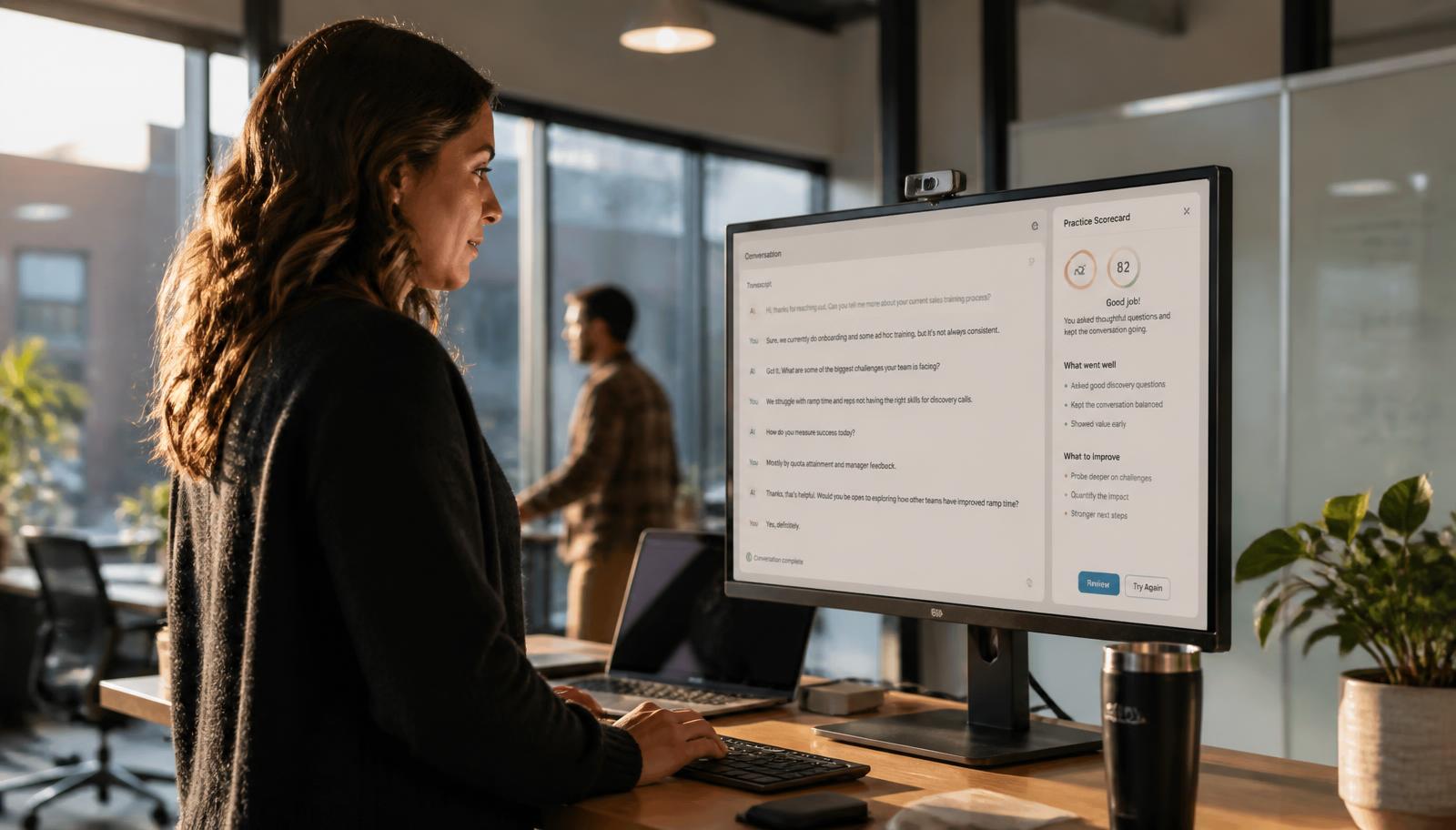
Best Generative Sales Training Platforms
Generative AI turned sales training from a content problem into a simulation problem overnight. Here is what 'generative' actually means in 2026, which platforms earn the word, and the one layer generative training still cannot reach.

Top Powered Sales Training Platforms
Sales training platforms went from course libraries to AI-powered practice systems in two years. Here is what 'powered' actually means in 2026, which platforms earn it, and where the category still leaves reps stranded.