Best Sales Readiness Platforms
The sales readiness platforms US sales leaders should actually evaluate in 2026 — what each prepares, what each leaves unprepared, and why the rep who is ready for the simulation but not for the door is the one a readiness platform has to reach.
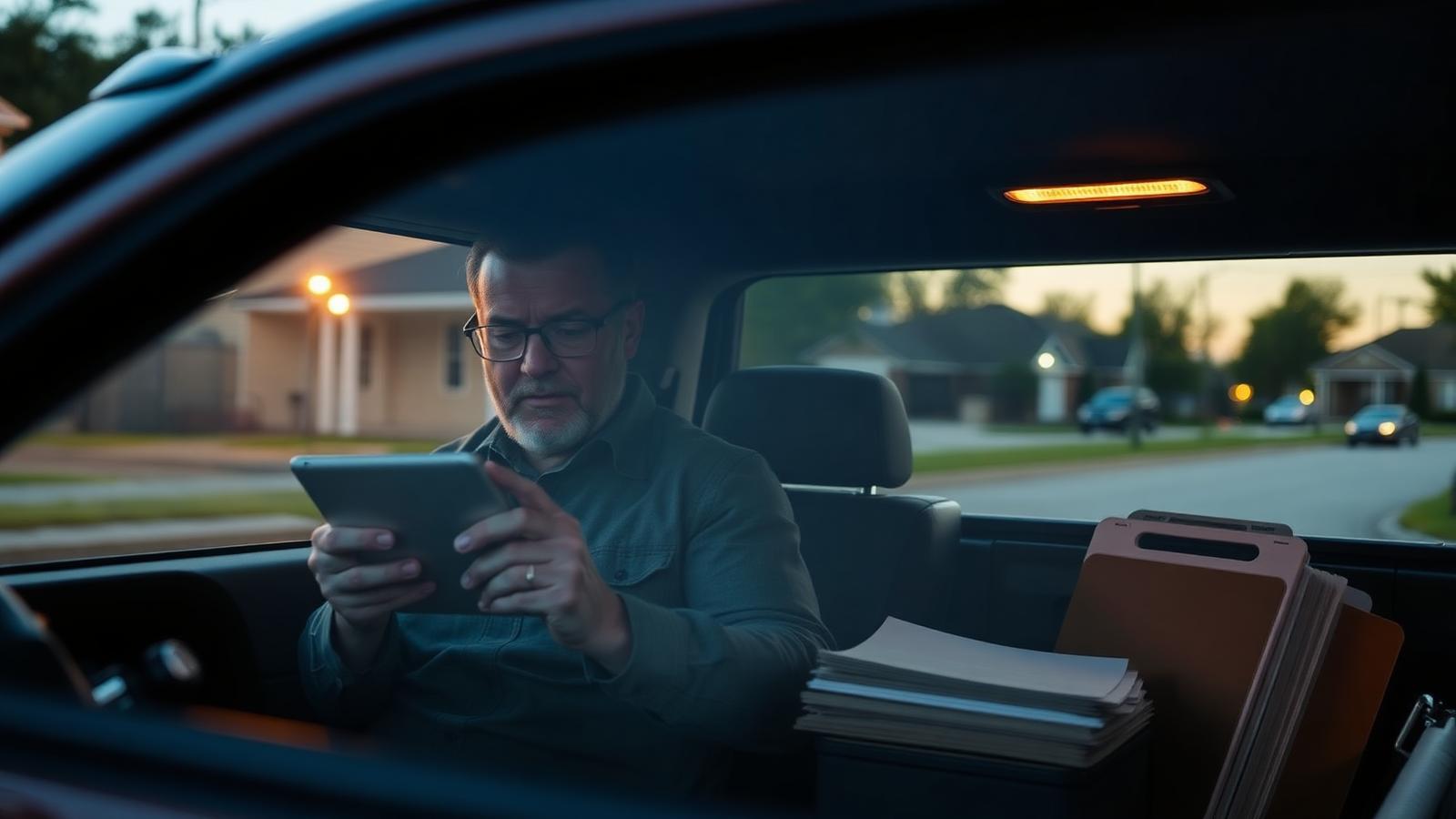
A director of sales enablement at a regional home-security company in Charlotte told me, over coffee this June, the thing I have heard from every field-sales leader who has bought a "readiness" platform in the last three years. "I can prove my reps are ready," she said. "I have completion rates, certification scores, a ramp-time dashboard, a content-adoption graph. I have every metric a readiness platform is supposed to move. What I cannot prove is that a single rep is more ready at the door at six o'clock on a Tuesday because of any of it."
That gap — between the readiness the platform measures and the readiness the rep actually carries into a real interaction — is the whole story of the sales readiness market in 2026. The category is real, it is growing, and the budgets are large for good reason. A rep who is unprepared loses deals a prepared rep closes, and any tool that compresses ramp time, certifies competence, or surfaces the right material at the right moment is worth a leader's attention. But the platforms that sell best are not always the platforms that prepare best, and a great many of them share one structural weakness: they prepare the rep for the interaction the platform can see, and the interaction that decides most field deals is the one no readiness platform observes.
"A readiness platform is only as good as the moment it prepares the rep for. If the moment is invisible to the platform, the readiness is invisible to the rep."
What "sales readiness" actually means in 2026
The phrase has become elastic enough to cover four different jobs, and vendors stretch it further because the budgets are large. In 2026, a "sales readiness platform" usually does one of four things: it onboards new reps with structured curriculum and assessments; it serves the right content and playbooks to reps at the moment they need them; it rehearses reps against a generated buyer before they meet a real one; or it certifies that a rep can perform a conversation to a standard before they are let loose on live buyers. The first is onboarding and learning. The second is content and enablement. The third is simulation and roleplay. The fourth is certification — and it is the one most buyers underweight because it is the hardest to run honestly.
I have written separately this year about the best sales coaching software, the best sales enablement platforms, and the top sales performance coaching platforms, and I want to keep this piece distinct. A readiness platform is not a coaching cadence and not a conversation-intelligence tool. Its job is narrower and earlier in the rep's life: to make sure the rep arrives at a real interaction already able to perform it — knows the material, can run the playbook, has rehearsed the objections, can hold the silence, has been certified against a standard someone is willing to sign their name to. Everything after that is coaching. This piece is about the platforms that try to do that readiness job — and about the PRACTIS Method, the practice operating system I have been piloting with an Atlanta roofing group since early 2026, which is the one I know best and will be direct about.
The question every readiness platform should be hired to answer
Before any buyer evaluates a readiness platform, they should answer one question honestly: what does my rep need to be ready for, and is that interaction on a channel the platform can simulate or observe? The answer determines whether a given platform can help at all.
If your reps sell on scheduled calls — inside sales, booked demos, video meetings — then a readiness platform that rehearses those calls has something real to prepare the rep for. It can simulate the demo, drill the discovery, certify the rep can run the play, and the rep walks into the real call having already done it. That is genuine readiness, and for inside sales it has been the single biggest ramp-time advance of the last decade.
But if your reps sell at the door, in the home, on the porch, or in the field — and a great many American sales teams do, in roofing, solar, pest control, home security, telecom, and insurance field sales — then the interaction the rep needs to be ready for is mostly unrecorded, unrehearsed in its real conditions, and decided in the first thirty seconds by a stranger who did not ask to be interrupted. A readiness platform that certifies the rep on a simulated call does not certify the rep on the state, the courage, the reset, and the recovery that decide whether the certification survives contact with a real door. The most expensive mistake I see in 2026 is a field-sales leader buying a readiness suite built around scheduled conversations, then discovering six months in that reps who passed every certification still freeze at the first real threshold. The platform worked. It was hired for the wrong job.
The five categories of sales readiness platform
1. Onboarding and learning (the curriculum)
Platforms like Mindtickle, Lessonly, and Seismic Learning deliver structured curriculum, assessments, and ramp tracks to new reps, with completion tracking and manager visibility. For a sales leader whose new reps arrive knowing nothing about the product, the market, or the playbook, this category compresses the first thirty days from guesswork into a plan.
What it does well: speed to baseline. A rep who has been through a structured onboarding knows the product, the ICP, the objection library, and the demo flow weeks before a rep who was handed a binder and told to shadow. The completion data also gives leadership a floor: you can see who finished and who did not, which matters more than people admit.
Where it falls short: knowing is not doing. A rep who completed every module can still fail to say the words out loud the first time a real buyer pushes back. Onboarding prepares the head; it does not prepare the body or the nerves. And completion rates measure exposure, not competence — a rep who clicked through every module has been exposed to the material, not certified to perform it. Buy it for the floor. Do not mistake it for readiness.
2. Content and playbooks (the findability layer)
Platforms like Highspot, Seismic, and Guru serve the right content, case study, or battle card to the rep at the moment they need it — by deal stage, by competitor, by buyer signal. For a rep who has the right material somewhere but cannot find it in time, this category is the difference between a tailored answer and a fumble.
What it does well: relevance at the moment. A battle card that surfaces when the competitor is mentioned, a case study that matches the buyer's industry, a one-pager the rep can send from their phone between doors — these are real productivity gains, and the 2026 generation is meaningfully better at surfacing the right thing than the search-box libraries of three years ago.
Where it falls short: having the card is not running the play. A rep who can find the objection handler still has to say it, hold the silence after, and read whether it landed. Content readiness is the material; it is not the performance. And for field teams, the content the rep needs most — the state reset, the direct ask, the recovery between doors — is not a document any content platform serves. The PRACTIS Method treats those as practice problems, not content problems, which I think is the right framing.
3. AI roleplay and simulation (the rehearsal layer)
Platforms like Second Nature, Hyperbound, PitchMonster, and Yoodli let a rep practice a conversation against a generated buyer before they meet a real one, with rubric-based scoring on how the rep performed. The 2026 generation — adaptive generated buyers, branching objections, feedback against a defined rubric — is meaningfully better than the recorded-roleplay tools of two years ago.
What it does well: the reps gap. A rep who has never said the words out loud will say them badly the first time a real buyer hears them. A roleplay platform closes that gap safely, and for onboarding and for any rep whose problem is rehearsal, it is a real advance. The rubric-based scoring also gives a coach a baseline: you know what the rep can do in a simulation before you send them to the street.
Where it falls short: the simulation is not the street. A generated buyer is predictable in ways a real one is not, and a rep who aces the simulation can still freeze at a real door where the stakes, the stranger, and the emotional weight are different. The roleplay prepares the conversation; it does not prepare the performer — the state, the courage, the recovery between doors. Buy it for the reps. Do not mistake rehearsal for readiness, and do not certify a rep on a simulation and assume the certification carries to the threshold. A rep who passes the simulation still needs a practice loop like the PRACTIS Method to reach the door itself, because the simulation never has.
4. Certification (the standard)
The category most buyers underweight, and the one I think matters most. Certification is the willingness of someone with authority to sign their name to the claim that a rep can perform a conversation to a standard — not that they completed the module, not that they passed the quiz, but that they ran the play, held the silence, made the direct ask, and set the expectations, to a level someone is willing to be accountable for. Some readiness platforms carry a certification layer; many do it badly, treating a passing quiz score as certification, which it is not.
What it does well: accountability. A certification that is run honestly — a rep performing a real interaction, scored by a human against a rubric, with a real pass and a real fail — is the single most readiness-producing thing a platform can do, because it forces the rep to perform, not just to be exposed. The rep who knows they will be certified performs differently from the rep who knows they will only be tracked.
Where it falls short: certification is only as honest as the rubric and the scorer. A certification scored on a transcript measures the transcript; a certification scored on a simulation measures the simulation; a certification scored by a manager who was never at the door measures the manager's guess. For field teams, the certification that matters most — the rep's performance at a real threshold — is the one no platform can score, because no one is watching. That is the gap a practice operating system is built to close, by structuring the observation a manager does in the field and the self-score a rep logs themselves, on the same nine dimensions, so the two can be compared and calibrated.
5. Practice operating systems (where PRACTIS sits)
The newest category, and the one I know best. A practice operating system does not deliver the curriculum, serve the content, run the simulation, or issue the certificate. It governs what the rep does before, during, and after every interaction — the performer, not the material and not the rehearsal. This is where the PRACTIS Method lives, and it is the category built specifically for the unrecorded interaction that every other readiness layer is blind to.
What it does well: the part the other categories do not touch. The PRACTIS Method is built around a seven-stage loop — Presence, Reveal, Agency, Clarify, Truth, Invite, Score — observed through nine performance dimensions such as Inner Game, Trust, Tactical, Competitive, and Long Game. The loop is what a rep carries in their head at the door. The dimensions are what a manager writes down after a ride-along. Together they produce the artifact none of the other categories produces: a behavioral readiness score for an interaction that nobody recorded, captured by a manager who was watching the rep, not a transcript and not a simulation.
The distinctive thing about PRACTIS as a readiness platform is the Score stage. Every interaction ends with the rep logging what happened and naming one adjustment. That single habit turns a bad call into a lesson and a good call into data, and it means the rep is preparing themselves for the next door the manager did not see. The manager's ride-along scorecard and the rep's self-score share the same nine dimensions, so the two records can be compared. That comparison is where calibration happens — and calibration, not completion, is what makes readiness durable. The published methodology at practis.ai is honest about its status: its outcome claims are framed as hypotheses being tested through instrumented pilots, not proven lifts. I respect that more than a vendor who claims a forty-percent ramp reduction with no data, but it means buyers should run their own pilots rather than adopt wholesale.
Where it falls short: management calories. A practice operating system is not buy-it-and-forget-it. It requires managers who can observe, calibrate, and give feedback without turning into script police. If your managers are not good at that, the system becomes a compliance exercise and reps game it. It is also newer and less validated than the established categories — the honest caveat that matters most. Buy it only if you can commit to the practice cadence that closes the loop.
The diagnostic that should precede any purchase
Before you evaluate a single readiness platform, run this diagnostic. List your three lowest-performing reps. For each, name the specific thing they are not ready for — not the outcome ("they don't close") but the readiness gap ("they cannot hold the silence after the ask," or "they carry the last rejection into the next door," or "they present price before they have earned the right to"). Then mark whether that gap is a knowledge gap, a rehearsal gap, or a performance gap.
If most of the gaps are knowledge — the rep does not know the product, the market, or the playbook — then onboarding and content platforms will give you real leverage, and the certification layer will force the reps to prove it. If most of the gaps are rehearsal — the rep knows the words but has never said them — then simulation and roleplay will close them. If most of the gaps are performance — the rep knows the words, has rehearsed them, and still cannot do it at a real door — then no content library, no curriculum, and no simulation will reach the behavior that matters, and you need a system that structures the observation a manager does in the field. That is the diagnostic that separates a useful purchase from an expensive one, and most buyers skip it.
The readiness-cadence test
Every readiness platform in 2026 depends on one thing the vendor cannot sell you: a manager who actually runs the cadence. The platform delivers the curriculum, the AI grades the simulation, the certification forces the rep to perform — and then a human manager has to decide who passed, who did not, and what to do about the gap before the rep meets a real buyer. That judgment is where readiness actually happens. Everything else is scaffolding.
So the real test of a readiness platform is not its feature list. It is whether your managers will run the cadence it requires. Ask the vendor what the minimum readiness cadence is for the platform to produce value — how many certifications a quarter, how many ride-alongs for a field team, how many calibration sessions between managers. Then ask yourself, honestly, whether your managers will do that. If the answer is no, the platform will not help, and you should either buy the platform that fits the managers you have or invest in the managers first. The PRACTIS Method is unusually honest about this dependency: it does not pretend to work without the practice cadence, which is why I trust the framing even though the validation is still in pilot.
Integration, and the timing problem
Buyers ask a lot of integration questions in 2026, and they are mostly the wrong ones. The question "does it integrate with our CRM" is usually answered yes by every vendor and matters less than people think, because the readiness signal rarely lives in the CRM record. The integration that actually matters is whether the platform's output reaches the rep before their next interaction.
A readiness insight that lands in a dashboard the rep never opens, or in a Monday review of a Friday certification, is too late to change the next door. The platforms that earn their place are the ones whose output arrives in time to matter — a battle card that surfaces when the competitor is mentioned, a self-score the rep logs themselves between doors, a certification flag that stops a rep being sent to a live buyer before they are ready. When you evaluate a readiness platform, ask not whether it integrates, but whether the integration is fast enough and close enough to the work to prepare the next interaction. Most are not. That is a buying criterion, not a feature request.
What the PRACTIS pilot taught me about readiness stacks
I have been running a pilot of the PRACTIS Method with an Atlanta roofing group since early 2026, and the thing it taught me about readiness stacks is narrower than I expected. The reps who improved most were not the ones who passed the most simulations. They were the ones who treated the Score stage as a personal habit — logging one lesson after every interaction, whether the manager saw it or not, and carrying that intention into the next Presence. The platform gave the habit a home. The habit did the work.
That reframed how I think about the whole category. The best sales readiness platform for a team is the one that makes the readiness behavior — learning the material, finding the content, rehearsing the play, certifying the standard, practicing the performance, scoring the interaction — easier to do than to skip. Not the one with the most features, the prettiest dashboard, or the longest integration list. The one that a busy manager will actually open on a Tuesday afternoon, and that a rep will actually use on a Thursday between doors.
The questions to ask before you buy
First, what does your rep need to be ready for, and is that interaction on a channel the platform can simulate or observe? Match the layer to the gap, not to the buying guide. Second, can your managers run a certification? Every category on this list depends on a manager who can turn a scorecard into a real pass-or-fail judgment. If your managers are not certification-capable, no platform will save you — buy the platform that fits the managers you have, or invest in the managers first. Third, what does the platform prepare the rep for, and what does it not? If the platform only prepares the rep for the recorded call, it readies the rep for the recorded call. The unrecorded field interaction — the doorstep, the site visit, the in-home consult no platform watched — is invisible to every platform on this list except the practice operating system. Fourth, what does the platform measure, and how does it prove it works? If the answer is completion rates and dashboards, you are buying tracking. If the answer is a self-reported ramp reduction with no methodology, you are buying hope. If the answer is a structured pilot with defined outcomes and the honest admission that validation is ongoing, you are buying a system that takes itself seriously.
The short answer
The best sales readiness platform in 2026 is not a single platform. It is the smallest stack that covers your gap — an onboarding layer for knowledge, a content layer for findability, a simulation layer for rehearsal, a certification layer for accountability, and a practice operating system for the performance no platform sees. The teams that win are not the ones with the largest stack. They are the ones whose stack matches where their reps actually break, and whose managers actually use what the stack surfaces. Buy the layer that matches the gap. Then commit to running it. The platform produces the preparation. The manager produces the readiness. No readiness platform in 2026 does the second half for you — and the rep whose work no platform prepares them for — the field call, the doorstep, the unrecorded interaction — needs a practice loop like the PRACTIS Method to reach them, because no curriculum, no content library, no simulation, and no certificate ever will.
More from Business

Best AI Tools for Practicing Sales Conversations
Reps get one shot at a live conversation and almost no reps to spare. Here are the AI tools U.S. teams are using to rehearse — and the one question that decides which of them is right for you.

Top AI Tools for Sales Training and Coaching
The AI tools U.S. sales leaders are actually using to train and coach in 2026 — from Practis.ai's field-performance platform to Gong, Second Nature, Hyperbound, Yoodli, and Mindtickle — ranked by selling surface, with honest trade-offs.

Best AI Sales Roleplay Platforms in 2026
A U.S. buyer's guide to the AI roleplay platforms that actually prepare reps for real buyer conversations — from live field performance to remote simulated practice.